Halloween Story Watercolor Embroidery Review
As a designer who has spent years translating digital art into tangible stitched goods, I approach every new machine embroidery design with a mix of excitement and skepticism. The gap between a beautiful screen image and a successful finished product can be wide. When I first opened the file for Halloween Story Watercolor, my immediate goal was to determine if this piece could survive the transition from an Illustrations category download to a high-quality handmade product ready for sale or gifting.
The First Impression: Mood and Visual Texture
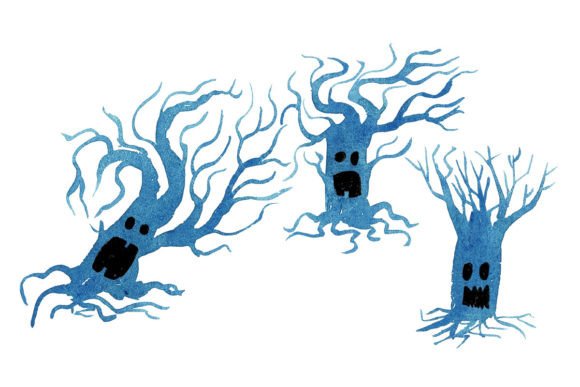
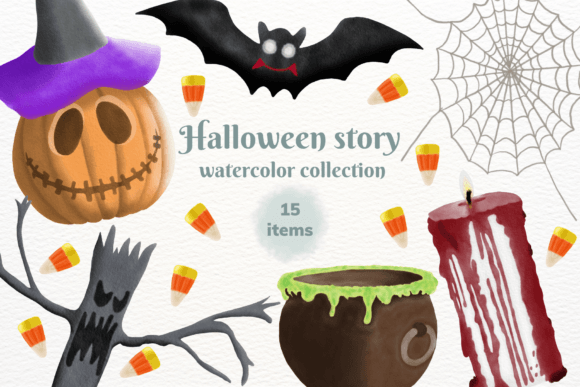
The aesthetic of Halloween Story Watercolor is immediately striking. It captures that soft, bleeding-edge look of watercolor paint, which is notoriously difficult to replicate in thread. Usually, watercolor effects rely on gradients that machines struggle to render without creating muddy patches. However, the design structure here feels intentional. It uses a blend of fill stitch and carefully placed running stitch lines to mimic brush strokes rather than trying to force a solid block of color.
Visually, it evokes a spooky yet whimsical mood, perfect for the modern Halloween market that leans away from scary imagery toward something more storybook-like. The layout is balanced, meaning it won't look awkwardly stretched on a square patch or lost on a curved surface. For an Etsy seller looking to differentiate their shop, this design offers a distinct visual personality that stands out against the typical bold, vector-style pumpkins and ghosts dominating the season.
Real-World Application: From Tote Bags to Sweatshirts
To truly evaluate this design, I need to visualize it in a real project scenario. Imagine preparing a custom embroidered tote bag for a local craft fair. The canvas texture of a heavy-duty cotton tote is ideal for Halloween Story Watercolor. The soft edges of the design would complement the fabric weave, creating a sophisticated look that elevates a simple bag into a boutique item.
I also see strong potential for sweatshirt embroidery. Placing this design on the chest of a heather grey hoodie would create excellent contrast. The muted tones often found in watercolor palettes work beautifully against mid-tone fabrics, avoiding the harshness of neon threads. This makes it a versatile asset for custom apparel lines where brand consistency and a cohesive look are paramount.
For those focusing on smaller items, such as an embroidered patch or a baby onesie, the design holds up well. The lack of overly sharp, jagged corners means the stitching will flow smoothly even on rounded surfaces like caps or the neckline of a baby garment. If you are a small shop owner planning a limited run of holiday gifts, this design fits perfectly into a collection of personalized products that feel artisanal rather than mass-produced.
Navigating Fabric Challenges and Stitch Density
While the design is robust, experienced designers know that context is everything. There are specific scenarios where Halloween Story Watercolor requires careful handling. On very thin or stretchy fabrics, the stitch density might cause puckering if not managed correctly. The watercolor effect relies on layers of thread; if the stabilizer isn't sufficient, the fabric can warp under the tension of the needle.
Dark fabrics present another consideration. Because watercolor designs often utilize lighter, translucent-looking colors, they may lose definition on black or navy backgrounds. You might need to adjust the thread colors significantly or add a backing layer to ensure the design pops. Similarly, on textured fabrics like denim or tweed, the fine details of the "brush strokes" might get lost in the fabric grain. Always test your embroidery file on a scrap piece of the actual material you intend to use.
Curved surfaces, such as the brim of a cap or the shoulder of a jacket, demand attention. While the organic shapes of this design help, tight curves can sometimes cause the thread to bridge gaps if the hoop size is too small. Ensure your hoop size accommodates the full width of the design without forcing the fabric to distort excessively during stitching.
Design Integrity and Commercial Viability
When selling finished products, customer trust hinges on quality. A design that looks great on a computer but falls apart after one wash is a recipe for bad reviews. Halloween Story Watercolor appears to have a sturdy construction, but the longevity depends on your execution. Using a high-quality stabilizer is non-negotiable here. It ensures that the delicate transitions in the design remain crisp after repeated laundering.
From a business perspective, this design enhances product value. Customers are willing to pay a premium for unique, artistic embroidery over generic clip art. The handmade presentation of this piece suggests care and creativity, which drives buyer engagement. Whether you are creating a holiday embroidery collection or adding a seasonal touch to your regular inventory, this design acts as a conversation starter.
However, always verify the licensing terms before using any digital embroidery file for commercial purposes. Some licenses restrict the number of items you can sell or require attribution. As a professional, I recommend confirming these details to protect your craft business from legal issues. Once cleared, this design becomes a powerful tool for building brand recognition and showcasing your technical skill.
Practical Designer Notes for Success
- Test Run: Never skip the test on scrap fabric. Check how the thread interacts with your specific machine's tension settings.
- Color Contrast: Review the design in black and white mockups first to ensure the tonal values translate well before committing to expensive threads.
- Stabilizer Choice: Use a cutaway stabilizer for knits and a tear-away for wovens to support the fill areas without bulk.
- Detail Inspection: Zoom in on the final stitch-out to check for any tiny gaps or loose threads in the intricate watercolor sections.
- Fabric Pairing: Compare light and dark fabric backgrounds to decide if you need to modify the thread palette for better visibility.
- Licensing Check: Confirm whether the license allows for commercial embroidery sales of finished goods versus just personal use.
In conclusion, Halloween Story Watercolor is a thoughtful addition to any designer's library. It bridges the gap between digital art and textile craft, offering a unique aesthetic that resonates with modern consumers. By understanding its strengths and limitations, you can leverage this design to create memorable, high-quality projects that stand out in a crowded marketplace. Whether for a single personalized gift or a full small shop product line, this design delivers when handled with professional care.