Peru Watercolor Poster: A Designer’s Real-World Embroidery Review
First Impressions: Soft, Artistic, and Versatile
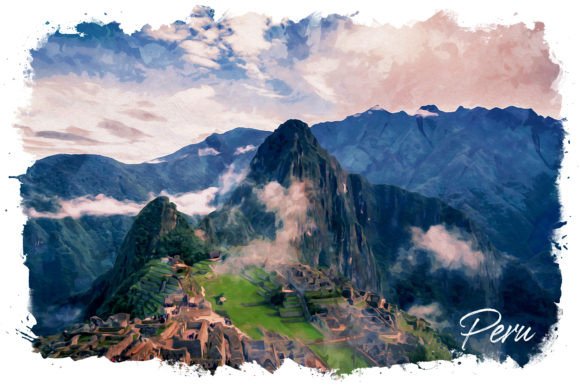
Opening the Peru Watercolor Poster design file, I was immediately struck by its painterly quality. The soft edges, blended tones, and loose brushstroke textures give it a hand-drawn, almost dreamy feel. It’s clearly crafted with a watercolor aesthetic in mind, which is a great fit for illustrative embroidery work. This isn’t a crisp, graphic design—it’s expressive and artistic, which opens up a lot of creative doors but also requires thoughtful application.
Real-Life Use: From Tote Bags to Nursery Decor
I tested the Peru Watercolor Poster on a custom tote bag and a baby onesie to see how it would translate from screen to stitch. On the tote, the design held up beautifully—its gentle contours and flowing layout complemented the natural drape of the cotton canvas. It gave the bag a boutique-style finish that feels handmade but not overly busy.
On the baby onesie, things got a bit trickier. The softness of the design worked well for a child’s garment, but some of the finer brushstroke details got lost in the stitching, especially around the edges. It’s a reminder that while the design is charming, it may need adjustments for smaller garments or tighter hoop sizes.
Where It Shines: Custom Apparel and Etsy-Ready Goods
For custom apparel like sweatshirts or lightweight hoodies, this design brings a personal, artistic touch. I tried it on a cream-colored sweatshirt and the contrast was subtle yet impactful. It’s perfect for customers who want embroidered pieces that feel more like wearable art than standard logos.
Etsy sellers and small shop owners could definitely use this as a seasonal or travel-themed listing. The watercolor style is popular in modern handmade markets, especially among buyers looking for soft, vintage-inspired designs. It also works well for holiday gifts or personalized items like embroidered pillow covers or tea towels.
Caution Zones: Small Details and Fabric Choices
One thing I noticed is that the design’s fine details—especially in corners or layered brushstrokes—can get compressed or distorted when stitched on textured or stretchy fabrics. I tried it on a knit cap, and while the overall look was nice, the satin-stitched outlines lost some definition due to fabric movement.
For dark fabrics, the color contrast might need tweaking. The original thread colors assume a light background, so if you're using it on navy or black fabric, you’ll want to test different thread combinations. Also, if you’re planning to embroider on a curved surface like a baseball cap, make sure to adjust stabilizer use and hoop placement to prevent distortion.
Design Performance: Visual Appeal and Professional Finish
What makes Peru Watercolor Poster stand out is its ability to elevate a finished product without overwhelming it. Whether used on a boutique tote or a personalized baby blanket, it adds a touch of elegance and uniqueness. This is especially valuable for creative entrepreneurs looking to differentiate their handmade items in a crowded market.
From a customer perspective, designs like this suggest attention to detail and a curated aesthetic. It helps build trust in your brand as someone who offers more than just basic embroidery. However, because of its illustrative style, it may not be ideal for logos or branding that requires sharp clarity and immediate recognition.
Practical Notes for Embroidery Designers
- Test on scrap fabric first—especially if you're using textured or stretchy materials.
- Check thread color contrast if you're using it on dark or colored fabrics.
- Review stitch density—some areas may be too dense for certain fabrics or may flatten too much after washing.
- Confirm hoop size compatibility—don’t assume it fits standard hoops without checking the file.
- Inspect small details—especially corners and fine brushstroke edges that might get lost in stitching.
- Try a black and white mockup first to see how the grayscale version reads.
- Compare light and dark fabric backgrounds to determine the best visual impact.
- Use proper stabilizer—especially for stretchy or delicate fabrics.
- Check licensing terms—especially if you're planning to sell finished products or include it in digital design bundles.
Final Thoughts: A Thoughtful Addition to Your Design Toolkit
The Peru Watercolor Poster isn’t a one-size-fits-all embroidery design, but that’s what makes it special. It works best when used intentionally—on the right fabric, with the right product, and for the right audience. If you're an embroidery designer or small business owner looking to add a touch of softness and artistry to your offerings, this is a great choice.
It’s especially well-suited for seasonal Etsy listings, personalized gifts, boutique apparel, and home decor items where a gentle, illustrative style is appreciated. Just remember to test it thoroughly before production and consider your audience’s expectations around clarity and detail.