Watercolor Japanese Zen Bamboo Illustrations
I recently opened my design folder to start planning a new collection for the upcoming spring craft fair, and I immediately felt drawn to a specific graphic design asset that promised to elevate my brand. The file is titled Watercolor Japanese Zen Painting, Bamboo, and as an experienced crafter who has spent years testing files on everything from Cricut mats to sublimation presses, I know that not every digital download translates well to physical products. This review is based on my actual workflow of preparing this illustration for real-world handmade goods, customer orders, and small business branding.
First Impressions: A Calm and Elegant Aesthetic
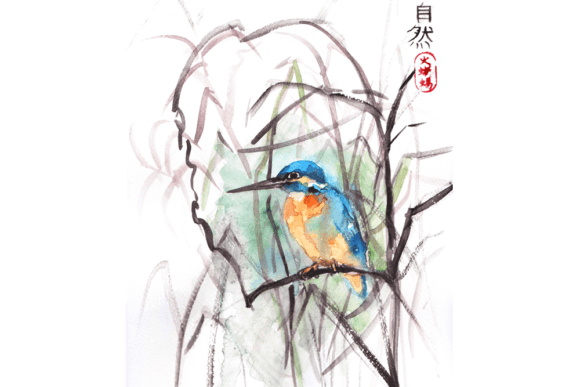
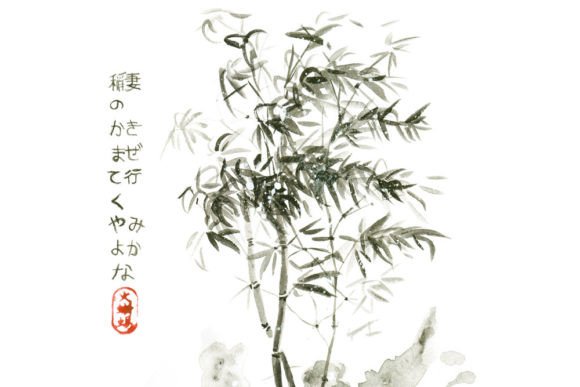
The moment I previewed the Watercolor Japanese Zen Painting, Bamboo in my design software, the mood was instantly clear. It exudes a sense of tranquility and minimalism that is hard to find in generic clipart libraries. The watercolor texture gives it a soft, organic feel, while the bamboo structure provides strong vertical lines that suggest growth and resilience. This is not a playful or bold design; rather, it feels elegant, rustic, and deeply feminine. It is the kind of visual that attracts customers looking for mindfulness, home decor, or spa-themed gifts. For an Etsy shop owner trying to differentiate their store from the sea of neon and cartoonish designs, this asset offers a premium look that suggests high-quality craftsmanship.
When considering who would buy a product featuring this art, I think of the customer who values slow living, yoga, meditation, or natural aesthetics. Whether they are buying a custom mug for their morning tea ritual or a tote bag for their weekend market run, this design resonates with a desire for peace and simplicity. It fits perfectly into a seasonal collection focused on renewal and spring, but its timeless nature means it could also work year-round for a "zen corner" in a home office.
Real-World Crafting Applications
As I began to map out how to use Watercolor Japanese Zen Painting, Bamboo in my workshop, several applications stood out as particularly promising. First, I envisioned this as a stunning tumbler wrap. The vertical flow of the bamboo stalks aligns beautifully with the cylinder of a tumbler, creating a seamless design when wrapped. Because the watercolor style has soft edges, it blends naturally with the curvature of the cup without looking stiff.
I also tested the file as a sticker design for planner pages and journaling. The clean background makes it easy to isolate the bamboo elements, allowing me to create die-cut stickers that add a touch of nature to bullet journals. For those using a Cricut or Silhouette machine, this SVG design works exceptionally well for vinyl decals on glass jars or wooden signs. The contrast between the dark bamboo ink and the lighter washes ensures that the cut lines are distinct enough for the blade to follow accurately.
Furthermore, I explored using this asset for mug design via sublimation. The watercolor effect prints beautifully on white ceramic, retaining the delicate gradients that make the image feel hand-painted. It also serves as a powerful element for handmade packaging. Imagine wrapping a set of herbal teas or soaps in kraft paper adorned with this illustration; it instantly communicates an eco-friendly, artisanal vibe. For small business branding, incorporating this bamboo motif into thank-you cards or invoice headers adds a layer of sophistication that elevates the entire unboxing experience.
Where This Asset Shines Brightest
In my testing, Watercolor Japanese Zen Painting, Bamboo performs best in scenarios where the design can breathe. It is ideal for large cut files where the details can be appreciated up close. When used for printable wall art or large-format printable designs, the watercolor textures remain crisp and vibrant. It also excels as a decorative accent in crowded compositions, such as a border on a greeting card or a subtle watermark on a digital product.
This asset is a star performer in design bundles meant for seasonal crafts. Pairing it with simple script fonts or elegant serif typefaces creates a balanced layout that feels curated. If you are creating a product mockup for your creative marketplace listing, this illustration helps convey a lifestyle aesthetic that sells the dream of a peaceful home. It is particularly effective for print-on-demand items where the design needs to look professional without requiring complex layering.
Cautions for Small Details and Complex Layers
However, as a seasoned maker, I must highlight where this clipart requires careful handling. While the bamboo stalks are robust, the watercolor splashes can contain very fine, thin lines. If you attempt to cut this as a multi-layer vinyl project for a small sticker, these delicate details might not hold together during weeding. I recommend simplifying the layout if you are working with sizes smaller than three inches.
Additionally, because the watercolor style relies on transparency and gradients, it may lose impact on low-contrast backgrounds. If you are applying this to a dark-colored shirt or a black tumbler, ensure you have a version with sufficient opacity or consider adding a white underlayer. In crowded compositions, the soft edges of the paint might get lost against other busy patterns. Always check how the PNG design looks at 100% zoom before committing to a batch production run.
Practical Crafter Notes and Workflow Tips
Before you finalize any Etsy product or take a customer order, I strongly advise you to test the file physically. Print a sample on regular paper first to see if the colors match your expectations, especially if you plan to use it for sublimation design. Check if the SVG lines are clean and closed; sometimes, watercolor styles can result in open paths that confuse cutting machines. Preview the PNG transparency to ensure there are no unwanted white boxes around the edges.
Confirm the resolution is high enough for large prints; a pixelated image will ruin the premium feel of your handmade business. Place the design on real mockups to visualize how it interacts with different materials like cotton, ceramic, or wood. You may need to resize it significantly depending on whether you are making a t-shirt design or a tiny gift tag. Finally, always confirm the commercial licensing terms. Ensure you have the right to use this commercial design for unlimited sales, especially if you are building a brand around it. By following these steps, you can confidently integrate Watercolor Japanese Zen Painting, Bamboo into your creative workflow, turning a simple digital file into a tangible, sellable masterpiece.