Watercolor Clipart Bubble Gum Art & Illustrations
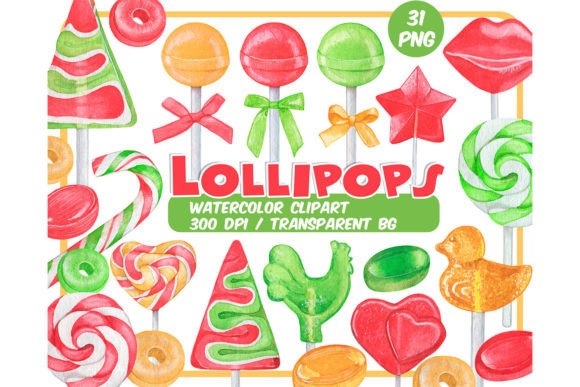
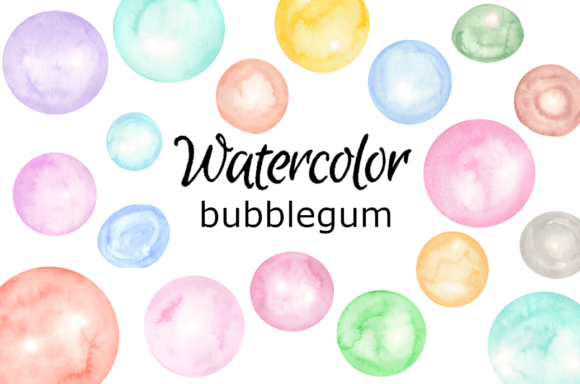
I recently opened a new file for a client who runs a boutique candy shop and wanted to refresh their summer branding. The brief was specific: they needed something playful, nostalgic, yet polished enough for premium packaging. That is when I stumbled upon the Watercolor Clipart Bubble Gum Art. As a designer who has sifted through thousands of assets in the creative marketplace, my first instinct is always skepticism. Does it look like a generic stock photo, or does it have that hand-crafted soul? This collection immediately caught my eye with its soft, bleeding edges and vibrant pastel palette. It feels less like a digital graphic design asset and more like a genuine watercolor painting digitized for modern use.
The mood this set creates is undeniably whimsical. It evokes childhood memories of sidewalk chalk and summer fairs. For a brand identity project targeting parents, young adults, or anyone seeking a touch of nostalgia, these Illustrations hit the mark perfectly. However, before I even considered adding them to my final presentation, I had to put them through the same rigorous testing process I apply to every commercial design asset I use for real clients.
Evaluating Visual Impact for Branding and Packaging
In the world of small business branding, the difference between a "cute" image and a professional logo design often comes down to versatility. I started by placing the bubble gum elements into a mockup for product labels. The way the colors blend makes them ideal for packaging design where you want to suggest flavor and fun without being overwhelming. Unlike flat vector art, which can sometimes feel sterile, the texture in this Watercolor Clipart Bubble Gum Art adds depth and tactile appeal.
I also tested these visuals against various typography styles. When paired with a bold sans serif font, the contrast created a dynamic visual hierarchy that felt modern and energetic. Swapping to a delicate script font or a handwritten font style softened the look, making it perfect for wedding invitations or baby shower announcements. The key here is balance; the organic shapes of the bubble gum complement structured typefaces while enhancing the flow of more fluid lettering. For editorial design or blog visuals, these images serve as excellent focal points that draw the reader in without distracting from the text.
Real-World Applications: From Social Media to Merchandise
One of the biggest challenges for content creators is maintaining consistency across different platforms. I found that this design bundle works exceptionally well for social media graphics. On Instagram posts and Pinterest pins, the bright pops of color stand out against the cluttered feed. The transparency on the PNG files allows for seamless layering over photos or solid backgrounds, making them a go-to choice for Canva templates and quick marketing visuals.
Beyond digital screens, I explored how these assets translate to physical products. For print-on-demand sellers and Etsy product creators, the potential is huge. I imagined these illustrations on t-shirt designs, tote bags, and mugs. The sublimation design quality holds up well because the watercolor effect masks minor printing imperfections better than sharp lines would. Furthermore, for crafters and Cricut users, if the SVG design files are included, the cut lines are clean enough for sticker designs and vinyl decals. This versatility transforms a simple clipart set into a comprehensive toolkit for a handmade business.
Navigating Limitations and Design Pitfalls
While the aesthetic is charming, experienced designers know that no asset is universally perfect. There are scenarios where Watercolor Clipart Bubble Gum Art should be used with caution. For instance, in minimalist branding or professional corporate materials, this style might feel too juvenile or chaotic. If your client is a law firm or a fintech startup, the whimsical nature of bubble gum will clash with the required tone of authority and trust.
Readability is another critical factor. In crowded layouts or complex backgrounds, the soft edges of watercolor illustrations can get lost. I tested one of the larger bubble gum pieces at a very small size for a website favicon, and the detail blurred significantly. Therefore, these assets work best in large layout areas, hero graphics, or as decorative accents rather than tiny icons. Always preview the design at actual scale to ensure the visual hierarchy remains intact. Additionally, low-contrast designs can suffer; placing light pink watercolor on a white background requires careful adjustment to ensure visibility.
Practical Designer Notes for Commercial Use
Before finalizing any project, I follow a strict checklist to ensure the asset meets professional standards. First, I always test the design in black and white. While watercolor relies on color, checking the grayscale version ensures the composition holds up if the client needs a monochrome version for newspapers or receipts. Second, I inspect the PNG transparency closely. There should be no jagged edges or unwanted white halos around the bubbles, which can ruin the polish of a high-end product mockup.
Licensing is non-negotiable. Before using this for a client, I confirm the commercial license details. Are there restrictions on the number of end products? Can it be used for resale items like stickers or t-shirts? Understanding the terms protects both the designer and the client from legal issues later. Finally, I compare the asset against other elements in the design system. Does it align with the brand's existing color palette? If not, does the software allow for easy recoloring? These practical checks turn a pretty picture into a reliable tool for commercial design.
Final Verdict on Creative Potential
After running the gauntlet of tests, my conclusion is clear: Watercolor Clipart Bubble Gum Art is a valuable addition to a designer's library, provided it is used in the right context. It excels in projects requiring emotional appeal, nostalgia, and a sense of playfulness. Whether you are launching a seasonal campaign, designing a printable wall art series, or creating marketing visuals for a local event, these illustrations add a layer of warmth that vector-only assets often lack.
For brand owners and marketers looking to humanize their message, this digital product offers a shortcut to achieving a handcrafted look without the time investment of painting each element. Just remember to respect the limitations regarding size and complexity. When applied correctly, this asset elevates the overall impression of a design project, making it feel curated, thoughtful, and deeply engaging. In the competitive landscape of online retail and digital content, that extra touch of artistic flair can be the deciding factor that captures an audience's attention.