Watercolor Brushes Shapes: A Designer's Review
As someone who has spent years navigating the gap between digital illustration and physical thread, I approach every new machine embroidery design with a mix of excitement and skepticism. The market is flooded with files that look stunning on a screen but fall apart under the needle. When I first opened the file for Watercolor Brushes Shapes, I was immediately struck by its aesthetic potential. It falls squarely into the Illustrations category, offering a soft, artistic vibe that feels perfect for the current trend of handcrafted, boutique-style goods. But does it translate well from pixels to stitches? Let’s dive into how this design actually performs in a real-world scenario.
The First Impression: Mood and Visual Personality
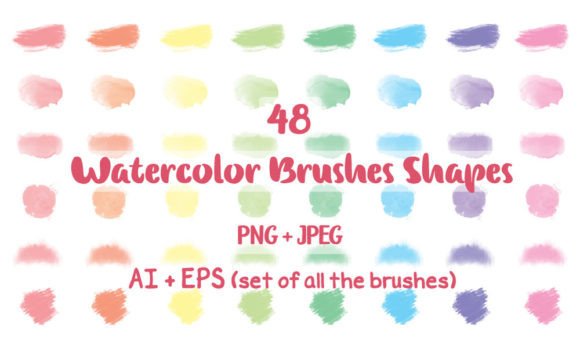
At first glance, Watercolor Brushes Shapes exudes a sense of organic creativity. Unlike rigid geometric patterns or heavy traditional motifs, these shapes mimic the fluidity of paint on canvas. The layout suggests movement and lightness, which is exactly what many modern crafters are looking for when they want to elevate a basic item into something unique. The visual personality here is playful yet sophisticated, making it an excellent candidate for brands aiming for a "boho-chic" or "artist studio" aesthetic.
However, translating watercolor effects into thread requires careful consideration. Watercolor relies on gradients and bleeding edges, while embroidery relies on fill stitch and satin stitch. The challenge with Watercolor Brushes Shapes is ensuring the digitizer has managed to capture that softness without creating muddy areas of dense thread. In my experience, designs like this work best when they use varying stitch densities to simulate the transparency of paint rather than trying to replicate it perfectly with solid blocks of color.
A Real-World Test: The Custom Tote Bag Project
To truly evaluate this embroidery file, I imagined a specific project: creating a line of custom tote bags for a local art supply shop. These aren't just grocery bags; they are promotional items meant to be carried proudly. I envisioned placing Watercolor Brushes Shapes on the lower corner of a natural canvas tote bag. The goal was to make the bag feel like a piece of art itself.
In this scenario, the design shines. The organic shapes of the brushes would stand out beautifully against the textured weave of the canvas. Because the design is illustrative, it doesn't require a massive hoop size, allowing it to fit comfortably in a 5x7 or even a smaller hoop depending on the specific variation you choose. This makes it incredibly versatile for small batch production. For an Etsy seller or a small shop owner, the ability to produce high-quality custom apparel quickly is vital. With Watercolor Brushes Shapes, you can offer a product that feels personalized and artistic without needing complex setup times.
Imagine a customer picking up one of these totes at a craft fair. The tactile quality of the stitching combined with the artistic theme creates a strong emotional connection. It signals that the product is handmade with care, increasing the perceived value and justifying a higher price point. This is the kind of finished product that encourages repeat business and social media shares.
Navigating Fabric Challenges and Stitch Density
While the potential is high, experienced designers know that not all fabrics play nice with delicate illustrations. Watercolor Brushes Shapes demands attention to detail regarding fabric texture and stability. If you attempt this design on thin, stretchy fabric like jersey knit, the tension might distort those beautiful brush strokes. The design works best on stable materials like cotton blends, linen, denim, or heavy canvas.
Another critical factor is the background color. Since watercolor implies lightness and airiness, using this design on dark fabric can be tricky. You will likely need a significant amount of underlay or a backing layer to prevent the thread colors from getting lost. Always test your thread colors on a scrap piece of the actual fabric you intend to use. What looks vibrant on a white screen might appear dull on charcoal gray if the contrast isn't managed correctly.
Furthermore, consider the stitch density. If the design is too dense, it could cause puckering, especially on lightweight items like baby clothes or tea towels. Conversely, if it is too sparse, the fabric might show through, ruining the illusion of a painted shape. Before committing to a full run, always do a test stitch on a similar material. Check the back of the embroidery to ensure there are no excessive pull-throughs or tangled threads, which can compromise the durability of the handmade product.
Strategic Applications for Craft Businesses
Beyond tote bags, where else does Watercolor Brushes Shapes fit? It is exceptionally well-suited for baby embroidery projects. Think of onesies, burp cloths, or nursery pillow covers. The soft, non-threatening nature of brush shapes appeals to parents looking for gender-neutral, artistic decor. Similarly, it works wonderfully as an embroidered patch for jackets or hats, adding a touch of whimsy to streetwear.
For the holiday season, this design could be adapted for holiday embroidery on stockings or gift tags, perhaps swapping standard reds and greens for softer pastels to maintain the watercolor theme. It also serves as a fantastic accent for aprons in a culinary setting or kitchen towels, bringing a splash of color to functional items.
If you are selling digital products or printable mockups, having a design like this in your portfolio adds variety. It allows you to showcase different styles beyond the usual floral or typographic trends. However, remember to check the licensing terms. Ensure you have the right to sell finished items containing this design or to include the digital embroidery file in your own bundles. Commercial use rights are essential for protecting your craft business and maintaining professional integrity.
Practical Notes for Professional Results
To get the most out of Watercolor Brushes Shapes, follow these practical steps:
- Test First: Never skip the test run on scrap fabric. Check for registration issues and thread breaks.
- Stabilizer Matters: Use a tear-away or cut-away stabilizer appropriate for your fabric weight to support the fill stitches.
- Mockup Wisely: Create both black and white and colored mockups to see how the design reads in different contexts before listing it on your shop.
- Check Hoop Size: Verify the dimensions of the design against your machine's capabilities to avoid cropping important details.
- Inspect Details: Zoom in on the final stitch-out to ensure the "brush tip" details haven't turned into blobs of thread.
Ultimately, Watercolor Brushes Shapes is a versatile asset for any designer looking to add an artistic flair to their portfolio. It bridges the gap between digital art and tangible craft, offering a fresh alternative to overused motifs. By understanding its limitations and leveraging its strengths, you can create personalized gifts and commercial embroidery pieces that truly resonate with customers. Whether you are decorating a sweatshirt for a client or stocking shelves for your boutique, this design offers the creative freedom to make your mark—quite literally—with thread.