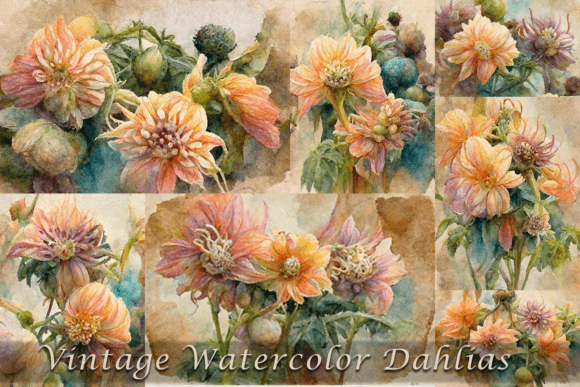
Vintage Watercolor Zinnia Flower Illustrations
As a digital product creator who has spent years navigating the competitive landscapes of Etsy, Creative Fabrica, and Shopify, I approach every new asset with a critical eye. The market is saturated with generic clipart, so finding a piece that truly elevates a brand identity requires more than just looking at the thumbnail. Recently, I evaluated a specific graphic design asset titled Vintage Watercolor of Zinnia Flower. My goal was to determine if this illustration could serve as the cornerstone for a new seasonal collection or if it would get lost in the noise of a crowded creative marketplace.
First Impressions: Mood and Market Appeal
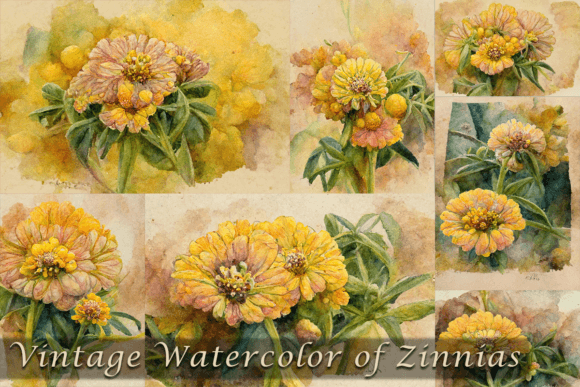
Upon opening the file, the visual personality of the Vintage Watercolor of Zinnia Flower immediately stood out. It carries a distinct mood that blends rustic charm with a touch of feminine elegance. Unlike modern, flat vector graphics, this asset feels handmade and organic. The watercolor texture provides depth, making it an ideal choice for audiences who appreciate cottagecore aesthetics, botanical themes, and vintage-inspired decor. This type of illustration naturally attracts buyers looking for nursery prints, wedding stationery, and lifestyle branding that feels authentic rather than mass-produced.
For a small business owner or a print-on-demand seller, the appeal lies in its versatility. It does not scream "commercial" in a cheap way; instead, it whispers "curated." This subtle distinction is crucial when building trust with customers. If you are targeting a demographic that values artisanal quality, this floral element fits perfectly into your visual hierarchy. However, it is important to recognize that while it is beautiful, it may not suit bold, high-contrast streetwear brands or minimalist tech startups where clean lines dominate.
Real-World Application: From Concept to Product
The true test of any digital download is how well it translates into sellable products. I began by testing the Vintage Watercolor of Zinnia Flower across various formats to see where it shined. For sublimation designs, the soft gradients of the watercolor style worked exceptionally well on ceramic mugs and tumblers. The colors remained vibrant without bleeding, provided the printer settings were calibrated correctly. I also experimented with t-shirt designs, pairing the flower with a simple serif font. The result was a classic, timeless look that would perform well in a boutique clothing store or as a limited-run dropshipping item.
For crafters using Cricut or Silhouette machines, the asset offered interesting possibilities. While watercolors are typically raster images, I found that converting the main outlines into an SVG design allowed for intricate sticker projects. Imagine a planner sticker set featuring this zinnia alongside handwritten notes; the combination creates a highly desirable scrapbooking kit. Additionally, I tested it as a PNG design for Canva templates. When used as a background element in social media graphics or invitation templates, it added a layer of sophistication that free assets often lack. This proves that a single illustration can expand into a full design bundle, increasing the perceived value of your shop offerings.
Enhancing Product Presentation and Listings
In the world of online selling, your listing images are your storefront. The Vintage Watercolor of Zinnia Flower serves as an excellent tool for creating compelling product mockups. When placed on a white tote bag or a kraft paper gift wrap in a photo preview, the vintage aesthetic pops against neutral backgrounds. This helps potential buyers visualize the final product, which is essential for driving click-through rates on platforms like Etsy.
Furthermore, using consistent illustrations across your brand identity builds recognition. If you create a series of greeting cards or printable wall art all featuring variations of this zinnia, you establish a cohesive look. Customers begin to associate that specific floral style with your brand name. This consistency is vital for small business branding. It transforms a one-off purchase into a potential subscription or repeat customer relationship. Whether you are selling digital downloads or physical merchandise, the ability to tell a visual story through your assets cannot be overstated.
Strategic Placement and Design Limitations
While the asset is versatile, there are scenarios where it must be used carefully. The delicate nature of watercolor textures means it should not be scaled down too small. In tiny sticker details or crowded thumbnails, the fine brush strokes can become muddy and lose their definition. Similarly, placing this illustration on dark backgrounds requires careful adjustment of opacity and blending modes to ensure the lighter washes remain visible. Without proper contrast, the design may appear washed out or invisible.
Another consideration is text-heavy templates. Because the Vintage Watercolor of Zinnia Flower is detailed and textured, it can compete with typography if not balanced correctly. For projects requiring legibility, such as event flyers or instructional guides, it is better used as a decorative border rather than a central focal point behind large blocks of text. Always check the visual hierarchy to ensure the message remains clear. Additionally, for Cricut projects requiring precise cutting lines, remember that the original watercolor effect is not a vector path. You will need to trace the outline manually or use a companion SVG file if available to ensure clean cuts.
Practical Seller Notes and Technical Checks
Before publishing any product based on this illustration, I recommend a rigorous testing phase. First, verify the commercial license to ensure you have the right to sell finished goods containing the image. Next, inspect the file resolution. High-resolution files are non-negotiable for print-on-demand services; low-quality images will result in pixelated prints that lead to negative reviews. Test the PNG transparency to ensure there are no unwanted white boxes around the edges.
When organizing your files for customers or your own workflow, keep them clearly labeled. Pair the Vintage Watercolor of Zinnia Flower with complementary fonts. A script font or a handwritten style often complements the organic feel of the watercolor, while a clean sans-serif font can provide a modern contrast. Finally, always preview the design on real-world mockups before launching a listing. See how it looks on a mug, a t-shirt, and a poster. This step ensures that what you promise in your photos matches what the customer receives. By treating this graphic design asset with care and strategic planning, you can turn a simple illustration into a profitable pillar of your digital product line.