Vintage Watercolor Roman Fountain: A Designer’s Honest Take
First Impressions: Soft, Timeless, and Storytelling
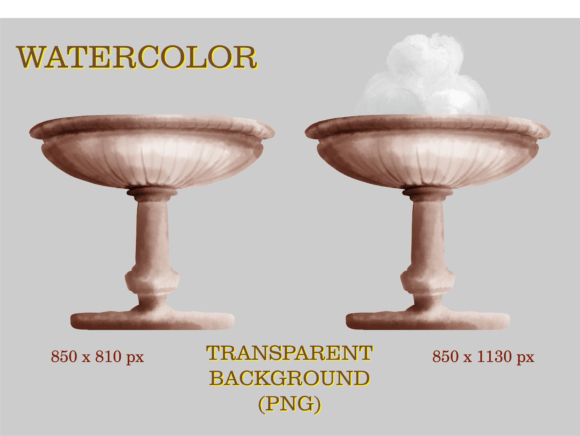
Opening the Vintage Watercolor Roman Fountain embroidery file, I immediately sensed a quiet elegance. The watercolor texture gives it a painterly, soft-edge look, while the Roman fountain theme brings a classical, almost nostalgic energy. It doesn’t scream for attention—it invites the viewer to look closer. This isn’t a design for bold logos or fast fashion; it’s for storytelling through fabric. I could see it on a linen tote, a baby blanket, or even a vintage-inspired apron. The layout is balanced, with a central focal point and gentle details that don’t overwhelm the eye.
Real-World Use: From Sweatshirts to Nursery Decor
I tested Vintage Watercolor Roman Fountain on a few different materials to get a real feel for how it stitches out. On a medium-weight cotton sweatshirt, the details held up surprisingly well. The watercolor texture translated into a soft tonal variation in the stitching that added depth without losing clarity. On a lighter tea towel fabric, I noticed some of the finer details softened a bit, but that actually worked in its favor—it looked intentional, like a real watercolor painting.
When I stitched it onto a baby onesie, the design took on a whimsical charm. The fountain’s gentle curves and flowing lines made it feel like a lullaby in thread. For nursery decor, this could be a standout embroidered pillow cover or wall hanging. It’s not too busy, but still has enough visual interest to hold attention.
Commercial Appeal: Etsy, Craft Fairs, and Boutique Goods
If you’re an Etsy seller or boutique brand, this design can elevate your handmade offerings. It has that “curated” look that customers love—like it was handpicked for a specific story or mood. I can imagine it on custom tote bags for a home goods shop, or as a unique embroidered patch for a vintage-inspired clothing line.
What makes Vintage Watercolor Roman Fountain stand out is its ability to feel both classic and modern at the same time. That kind of duality appeals to a broad audience—especially those who appreciate craftsmanship and design history.
Where to Use with Care
Despite its beauty, this design isn’t a one-size-fits-all. It’s not ideal for very small hoop sizes. The fountain’s details are delicate, and they’ll get lost in a 3x3 inch hoop. If you’re working on a cap or curved surface, test how the watercolor texture stitches on a rounded edge—it may distort the softness of the design.
Dark fabrics can also mute the watercolor effect. I tried it on a navy tote, and while it still looked good, the subtlety of the design was harder to appreciate. You may want to adjust thread colors or add a light underlay if using it on darker backgrounds.
Also, be cautious with stretchy or thin fabrics. The satin and fill stitches in the fountain’s structure need a stable base to hold their shape. Without proper stabilizer, you risk distortion or puckering.
Design Performance: Clarity, Texture, and Stitch Quality
Stitching out Vintage Watercolor Roman Fountain, I noticed a good balance between satin and fill stitches. The satin outlines give the fountain a crisp edge, while the fill areas mimic brushstrokes, giving it that watercolor illusion. The stitch density feels appropriate—dense enough to hold shape, but not so heavy that it becomes stiff or hard to launder.
One thing I appreciated was how the design handled corners and curves. There were no jagged lines or skipped stitches during my test runs. The file seems well-digitized, which is a big plus for both hobbyists and small business embroiderers who might not have advanced editing tools.
Practical Notes for Embroidery Designers
- Always test Vintage Watercolor Roman Fountain on scrap fabric before final stitching.
- Check thread color contrast, especially if altering from the original design.
- Review stitch density—especially if using on stretchy or textured fabrics.
- Confirm hoop size compatibility, especially if using for smaller items like baby caps or patches.
- Inspect small details under good lighting—some watercolor effects may be subtle.
- Try a black and white mockup to see how the design translates without color.
- Compare how it looks on both light and dark fabric backgrounds.
- Use proper stabilizer—especially for thin or stretchy materials.
- Verify licensing if selling finished items or digital embroidery files.
Final Thoughts: A Thoughtful Addition to Your Design Library
Vintage Watercolor Roman Fountain isn’t just another embroidery file—it’s a design that brings mood, history, and texture into your work. Whether you’re creating custom apparel, embroidered patches, or boutique home goods, this design can help elevate your finished product.
For small shop owners and Etsy sellers, it’s a great way to add visual interest without overcomplicating your offerings. And for hobbyists, it’s a satisfying project that feels more like art than just embroidery.
If you're looking for a machine embroidery design that feels timeless and expressive, this one is worth a test run. Just keep your fabric and hoop size in mind, and you’ll be rewarded with a piece that feels intentional and handmade in the best way.