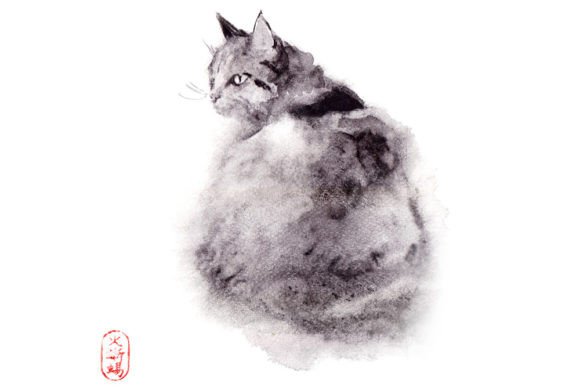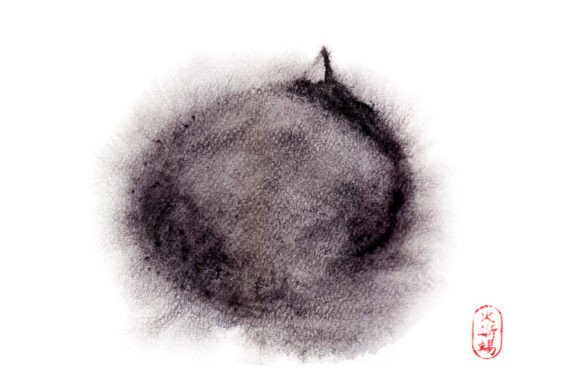
Sleeping Cat Watercolor Zen Illustration Review
As a designer who has spent years translating digital art into tangible thread, I approach every new machine embroidery design with a mix of excitement and skepticism. The gap between a beautiful screen image and a successful stitched project can be wide. Today, I am evaluating the Sleeping Cat Watercolor Zen Illustration, a piece that promises to bring a touch of calm to any handmade product. My goal is not just to describe what it looks like, but to tell you exactly how it will behave when you load it into your hoop, pull the needle through fabric, and present it to a customer.
The First Impression: Capturing Softness in Thread
When I first opened the preview for the Sleeping Cat Watercolor Zen Illustration, the mood was immediately clear. It exudes tranquility. The watercolor aesthetic suggests soft edges, blending hues, and a lack of harsh outlines. In the world of digital illustrations, this style is popular, but in embroidery, it presents a specific challenge: how do we mimic fluid paint using rigid threads? This design attempts to solve that by utilizing a clever combination of fill stitch and delicate running stitch details to create the illusion of bleeding color without overwhelming the fabric.
The visual personality of the sleeping cat is gentle and rounded. There are no sharp angles or aggressive lines here. Instead, the layout feels organic, making it an ideal candidate for projects where comfort and aesthetics intersect. For an Etsy seller or a small shop owner looking to expand their nursery decor or home goods line, this illustration offers a distinct alternative to the bold, graphic logos that dominate many craft fairs. It speaks to a customer looking for something personal, artistic, and soothing.
Real-World Application: From Screen to Sweatshirt
To truly understand the value of this embroidery file, let's walk through a real scenario. Imagine you are preparing a custom embroidered tote bag for a boutique client who specializes in eco-friendly lifestyle products. You need a design that stands out but doesn't scream for attention. The Sleeping Cat Watercolor Zen Illustration fits this brief perfectly. Placed on the side pocket of a canvas tote, the soft colors would pop against the natural beige background, creating a sophisticated look that elevates the perceived value of the finished product.
I also envision this design on a heavy cotton sweatshirt. For a personalized gift for a cat lover, placing this motif on the chest area of a heather grey sweatshirt would offer excellent contrast. The watercolor effect works particularly well on textured fabrics because the slight irregularity of the knit helps break up the uniformity of the stitches, making the "paint" look even more authentic. However, if you were attempting this on a thin t-shirt, you would need to be cautious about the stitch density. Too much density could cause the fabric to pucker, ruining the soft flow of the illustration.
For those selling embroidered patches, this design is a strong contender. A patch featuring the sleeping cat could be sewn onto denim jackets, backpacks, or even used as a decorative element on a pillow cover. The key here is the backing; a sturdy stabilizer is non-negotiable to ensure the patch holds its shape after being cut from the backing material. If you are a craft business owner creating holiday gifts, consider how this design translates to tea towels or aprons. The "Zen" theme aligns perfectly with kitchen textiles, offering a calming presence in a busy room.
Navigating Challenges: Where Caution is Needed
While the Sleeping Cat Watercolor Zen Illustration is versatile, it is not without its limitations. As a professional reviewer, I must highlight areas where this design requires careful handling. First, consider the hoop size. Because watercolor effects rely on subtle gradients and layered colors, shrinking this design too much can result in muddy colors and lost detail. If you are working with a small 4x4 hoop, verify that the intricate details of the cat's fur and the watercolor washes remain visible. If the design becomes too dense in a small space, the soft aesthetic will be lost.
Fabric choice is another critical factor. On dark fabrics, the light, airy tones of a watercolor illustration might struggle to show depth unless you use a significant underlay or switch to lighter thread colors. Without proper planning, the design could appear washed out or invisible. Similarly, on stretchy fabrics like jersey knit, the tension required to hold the design flat might distort the soft curves of the cat. Always test the design on scrap fabric first, especially if you plan to use it on custom apparel that will be worn frequently.
Furthermore, avoid placing this design on curved surfaces like caps unless you have tested the fit thoroughly. The organic shapes of the watercolor style may not wrap around a cap's crown as smoothly as a geometric logo. The risk of puckering or misalignment increases on curved surfaces, which could compromise the professional look of your finished product.
Design Notes for the Professional Maker
If you decide to integrate the Sleeping Cat Watercolor Zen Illustration into your workflow, follow these practical steps to ensure success:
- Test on Scrap Fabric: Never skip this step. Stitch the design on the exact fabric you intend to use to check for puckering and color accuracy.
- Check Thread Color Contrast: Ensure the chosen thread colors stand out against your background fabric. Use a printable mockup to visualize different color combinations before committing to expensive thread.
- Review Stitch Density: Inspect the file to see if the fill areas are too dense. If they are, you may need to adjust the settings in your embroidery software to prevent fabric distortion.
- Confirm Hoop Size: Measure the design dimensions against your available hoops. Ensure there is enough room for the design to breathe without cutting off essential details.
- Inspect Small Details: Zoom in on the digital preview to ensure that tiny elements, like the tip of the cat's ear or whiskers, are large enough to stitch clearly.
- Use Proper Stabilizer: For best results, use a cut-away stabilizer for stretchy fabrics and a tear-away for stable wovens. The right stabilizer is the backbone of a clean embroidery project.
- Verify Licensing: Before selling any items made with this design, confirm the license terms. Whether you are creating a handmade product for your own shop or selling the digital file itself, understanding the commercial rights is essential to protect your business.
Final Thoughts on Value and Appeal
In the competitive market of handmade goods, the quality of your design assets directly impacts your brand consistency and customer trust. The Sleeping Cat Watercolor Zen Illustration offers a unique opportunity to create high-value, emotionally resonant products. It appeals to buyers who appreciate artistry and calm, making it a standout choice for baby embroidery, home decor, and personalized gifts.
By understanding its strengths and limitations, you can leverage this machine embroidery design to create stunning pieces that customers will love. Whether you are an experienced embroiderer or a creative entrepreneur just starting out, taking the time to evaluate how a design performs in real-world conditions is the mark of a true professional. This illustration, when executed correctly, adds a layer of sophistication and warmth that generic designs simply cannot match. It is a testament to the power of thoughtful design in the world of commercial embroidery.